- Production year: 1999
- Storage: Hunan
- Month cut: December 2025
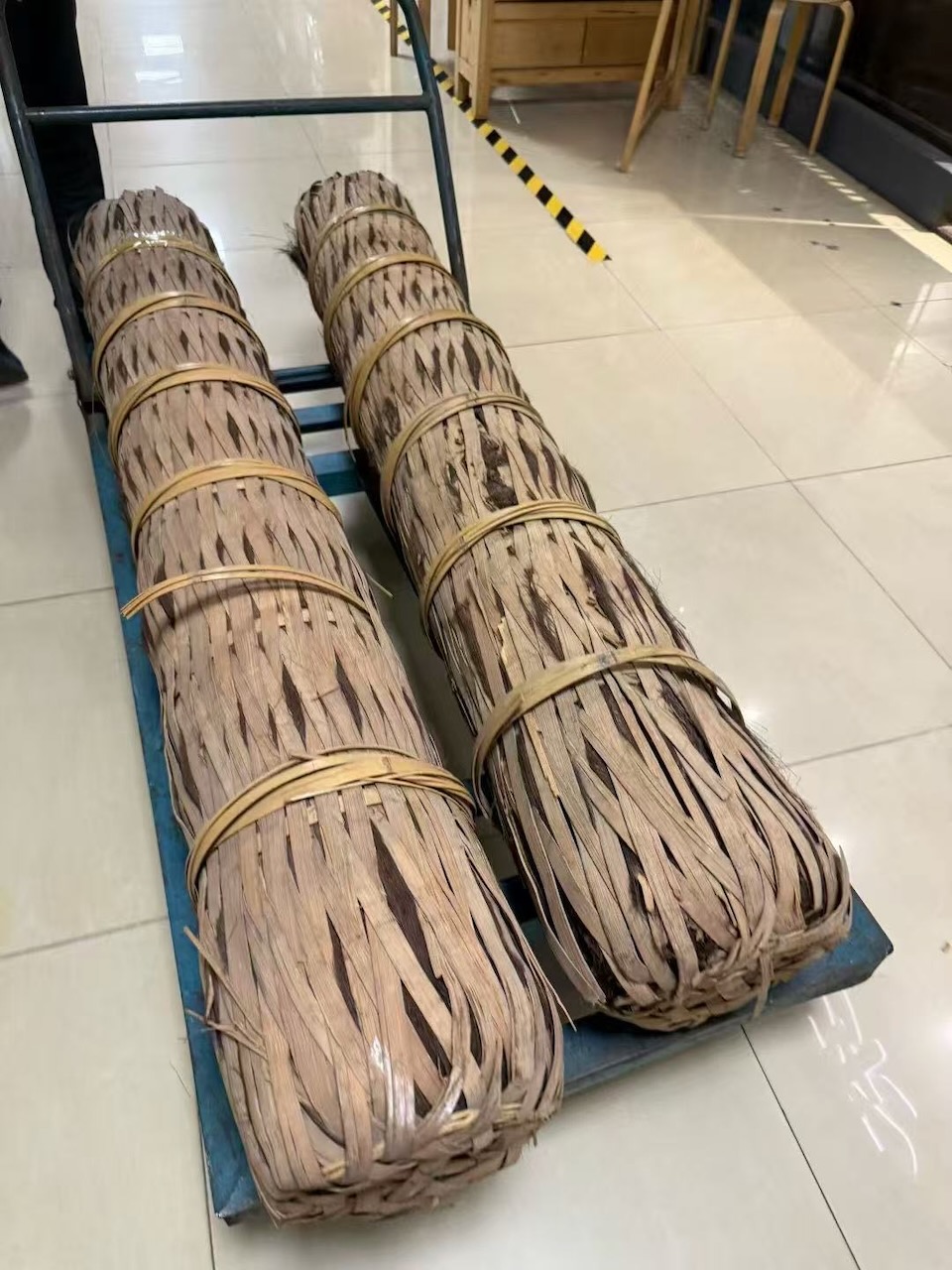
- Log weight: 36.25 kg
- Slice weight: ~650g / slice (+/- 10%)
- Price: USD 160 / slice
- Availability: Out of stock
Baishaxi (白沙溪) is arguably the most well-known producer of Qianliang tea (and Anhua heicha in general) today, so the company likely needs no introduction.
As many of you will know, production of QLC was halted from 1958 until 1997 (with the exception of a single 1983 batch of ~300 logs), being replaced by the huazhuan which simplified production, storage and transport a good deal (and was more in line with the “new China” way of replacing “backwards” labor intensive processing with machine assistance where possible, an ethos encapsulated in the slogan “多快好省建设社会主义”).
In other words, this log was made in the third year of resumed production. There isn’t a lot of pre-2007 BSX QLCs on the market in general, and very little from before 2005. Despite the revival in 1997, demand and therefore production output was limited. Much of what was produced is now in the hands of collectors that are either keeping it for themselves or not wanting to sell at the current, unsatisfactory market prices. We tried to get our hands on the same tea from some other sources around the turn of the year but did not succeed due to either the price being too high or the source not being willing to guarantee money-back in case of a heartburned (烧心) log. Through an acquaintance of an acquaintance we were eventually able to secure some slices from a log that had been cut in December 2025. Same source as the 1991 Yiyang Fuzhuan (and the previously featured 2006 Yongtaifu “Jiangzhoujuan” Qianliangcha).
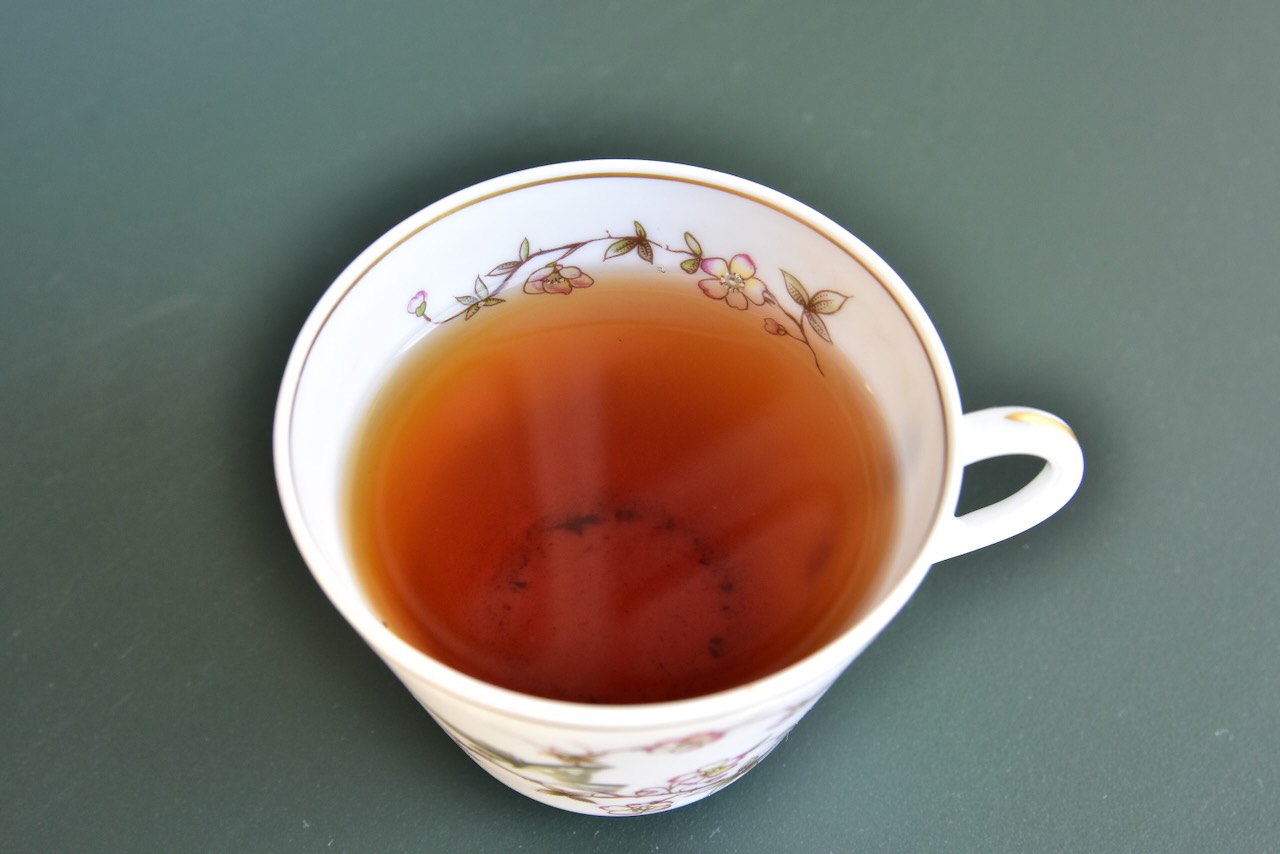
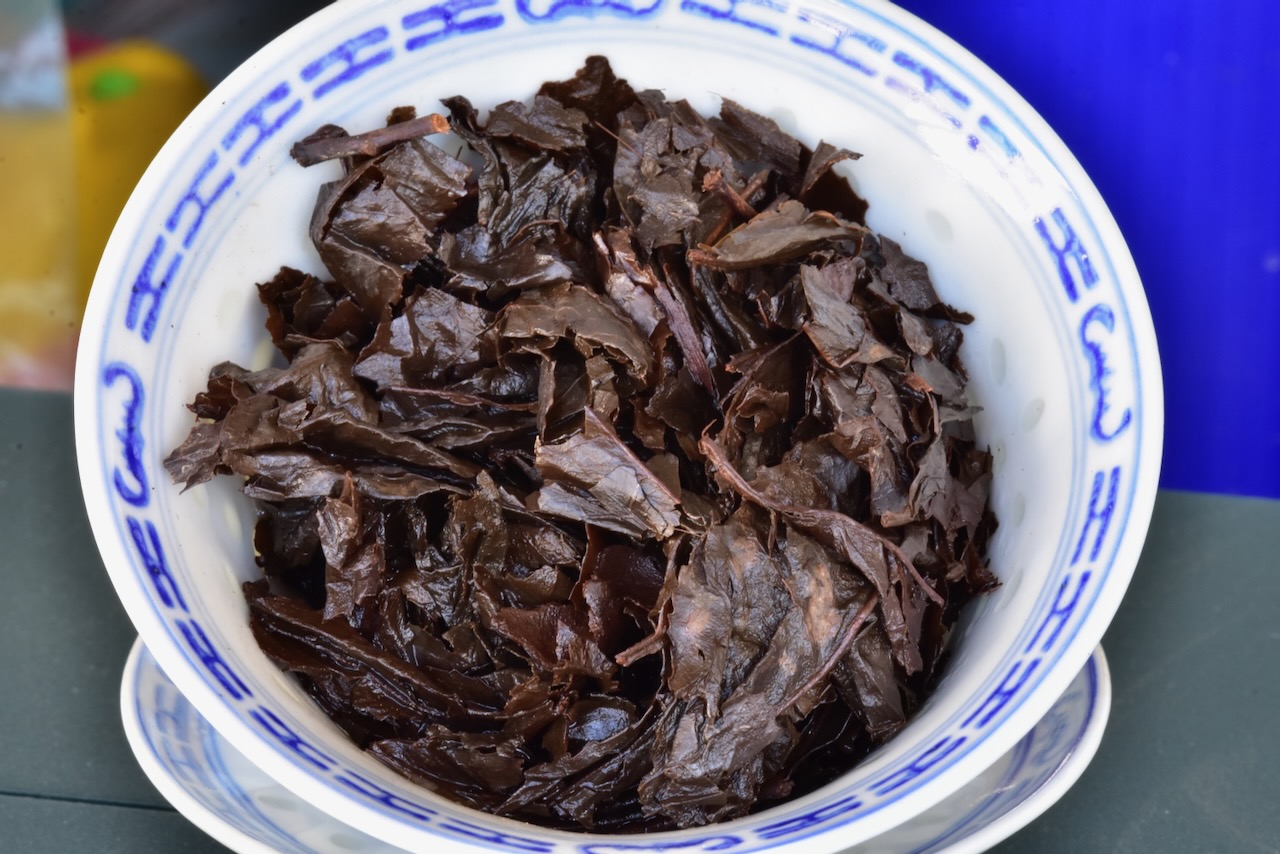
A deep woody sweetness, medicinal and floral notes. Bit of tartness initially. The body feeling is the highlight for me here, as it typically is with aged BSX QLCs.
A FOMO Warning
For those of you tempted to blind a slice of this due mostly to the mentioned rarity above, I would hesitate against doing that. Not everyone will appreciate the qualities of older Anhua heicha, especially early on in their exploration of the genre. In fact I feel pretty confident that this tea would come out on the bottom half of the teas I’ve offered in a blind test among people with a limited experience with and broader interest in this category of teas. It isn’t stimulating in an obvious way, its qualities are grandmotherly. You’ll need to listen if you want to hear and you’ll need some experience if you want to understand. Even with that it might not be your cup of tea. I would not advise getting this unless you have tried at least a handful of other QLCs, preferably at least one other BSX QLC with some age.
Note: This tea may contain golden flowers (Jinhua/金花), a perfectly natural occurrence in certain heicha teas. Their development depends on factors like microbial activity, storage conditions, and time. However, individuals with Celiac Disease or severe gluten allergies should exercise caution, as we cannot guarantee that no wheat-based materials were involved at any stage of production.