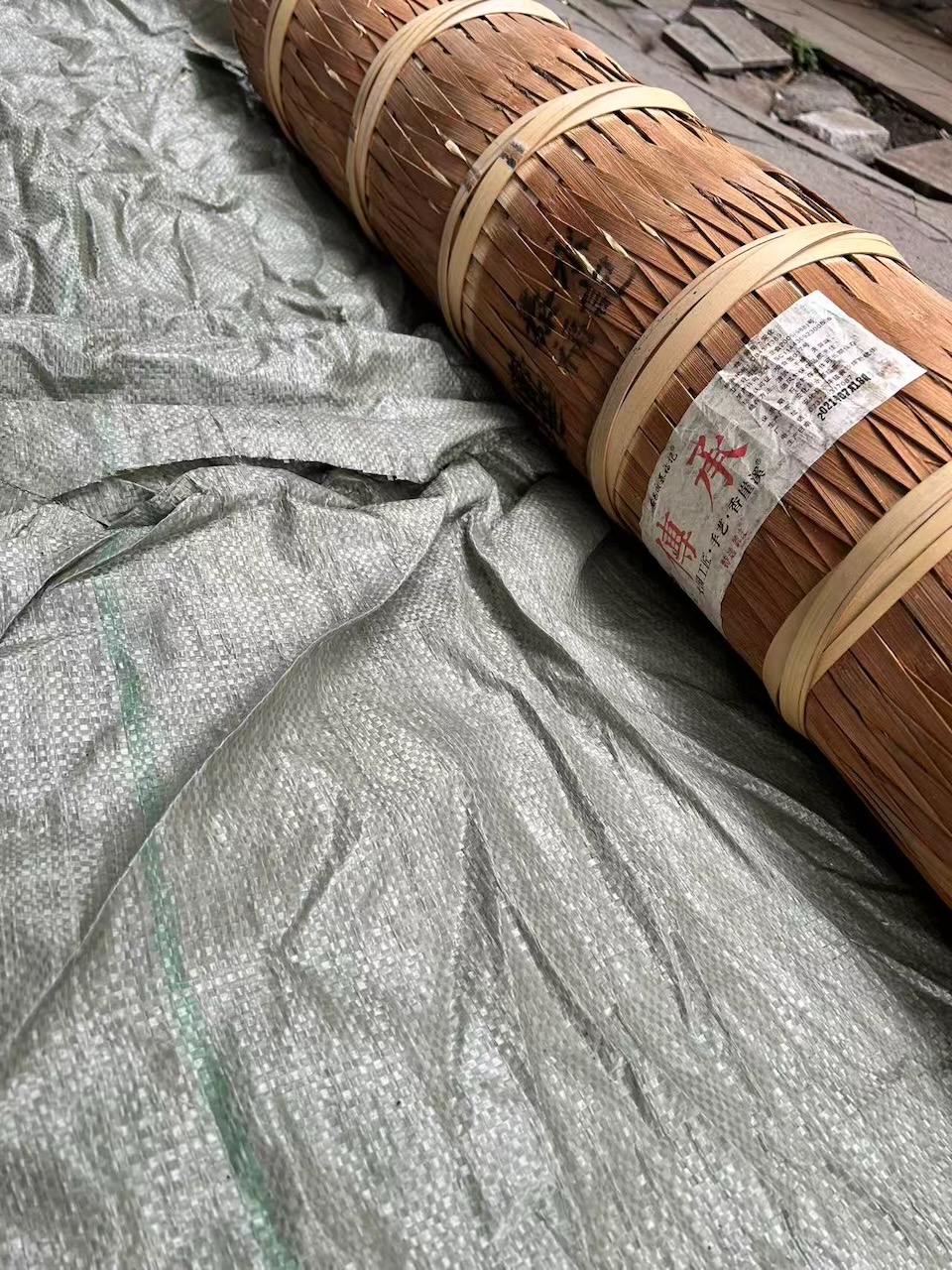
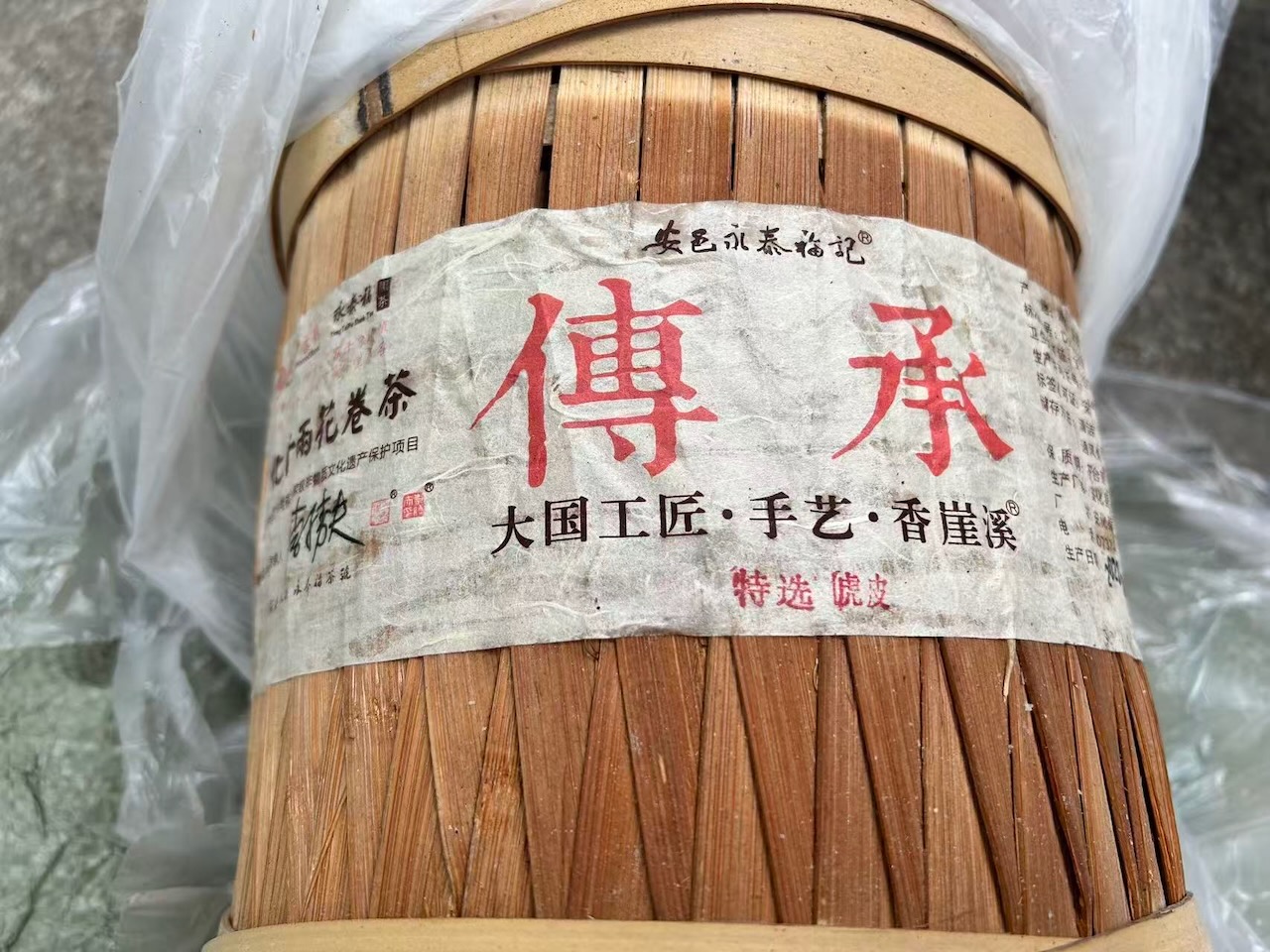
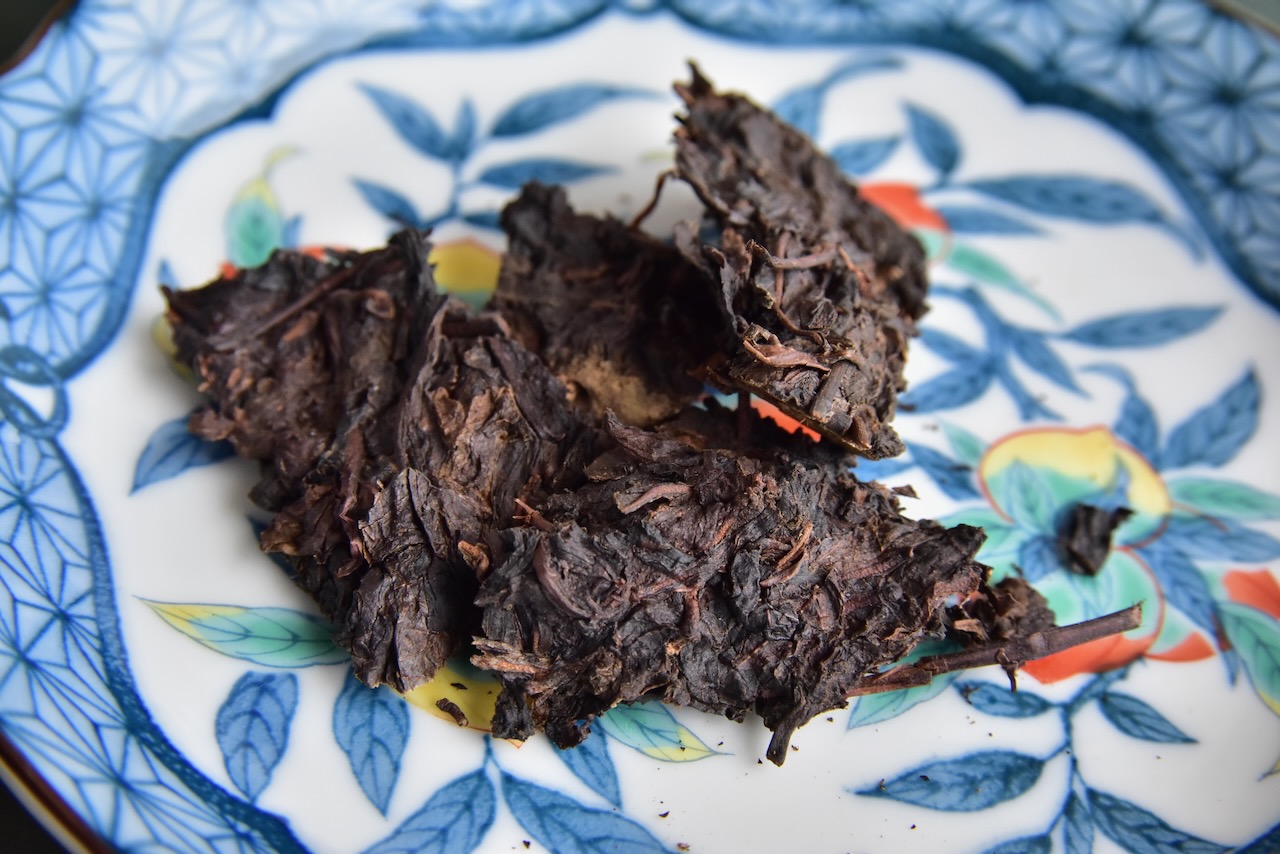
- Production year: 2021
- Storage: Hunan
- Month cut: January 2026
- Log weight: 36 kg
- Slice weight: ~700g / slice (+/- 10%)
- Price: USD 110 / slice
- Availability: Out of stock
For a background on Yongtaifu (永泰福), see the listing for the 2010 Furong QLC.
If you were to ask what the company is currently most known for the most obvious answer would be their Xiangyaxi (香崖溪, a made up name for an area whose precise location appreas to be a company secret, though it’s speculated to be in the greater Gaomaerxi area) materials and “hupi” (虎皮, literally “Tiger skin”) processing.
MOFCOM’s company introduction mentions both:
“其名品“香崖溪”千两茶有显著的樟香松香味。永泰福茶号之“虎皮”,亦是安化黑茶中的高端之作,其特殊工艺形成的高火香或焦糖香,与武夷大红袍、正山小种并称“三绝”。”
As for the tiger skin processing, it’s considered extremely different to pull off and almost no companies do it. (Besides Yongtaifu I’ve only seen Shanyoude and Baishaxi released hupi productions, the latter two only in more recent years, though I may have missed other examples. Supposedly “fakes” exist too, where an additional fermentation step followed by high-heat drying in an automatic dryer is used to create a poor imitation.) You want the leaves to char (焦) but not burn (糊) which requires very precise temperature control for a prolonged period of time . “Bad results” can range from tea being burnt to the whole factory burning down (which supposedly happened to Yongtaifu’s old factory, the entire thing burnt down during a hupi roast with only two signs being saved from the fires). Good results means a well balanced roast with a hint of caramel (more noticeable as time goes by, the balance improves with the gradual reduction and integration of the smoke).
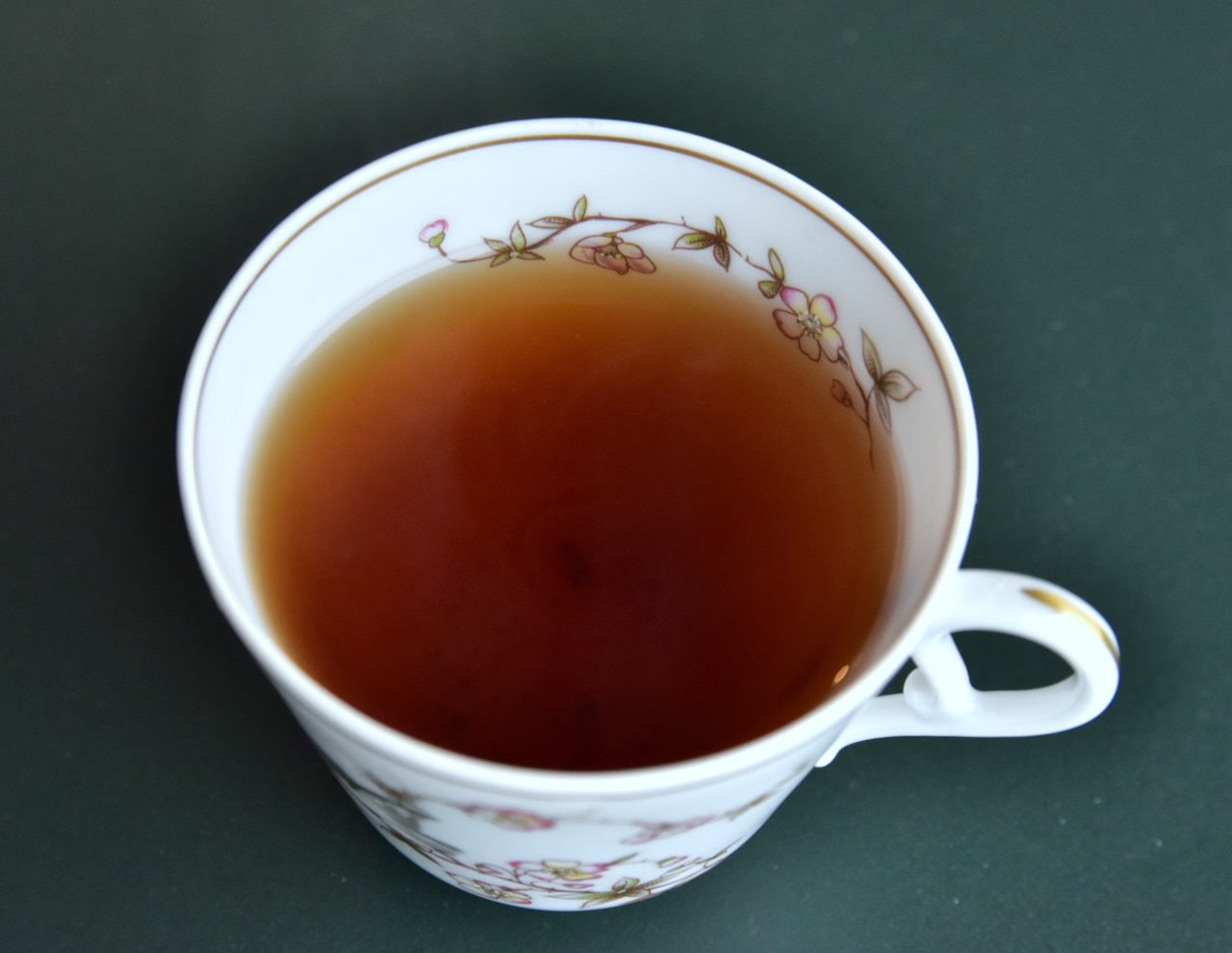
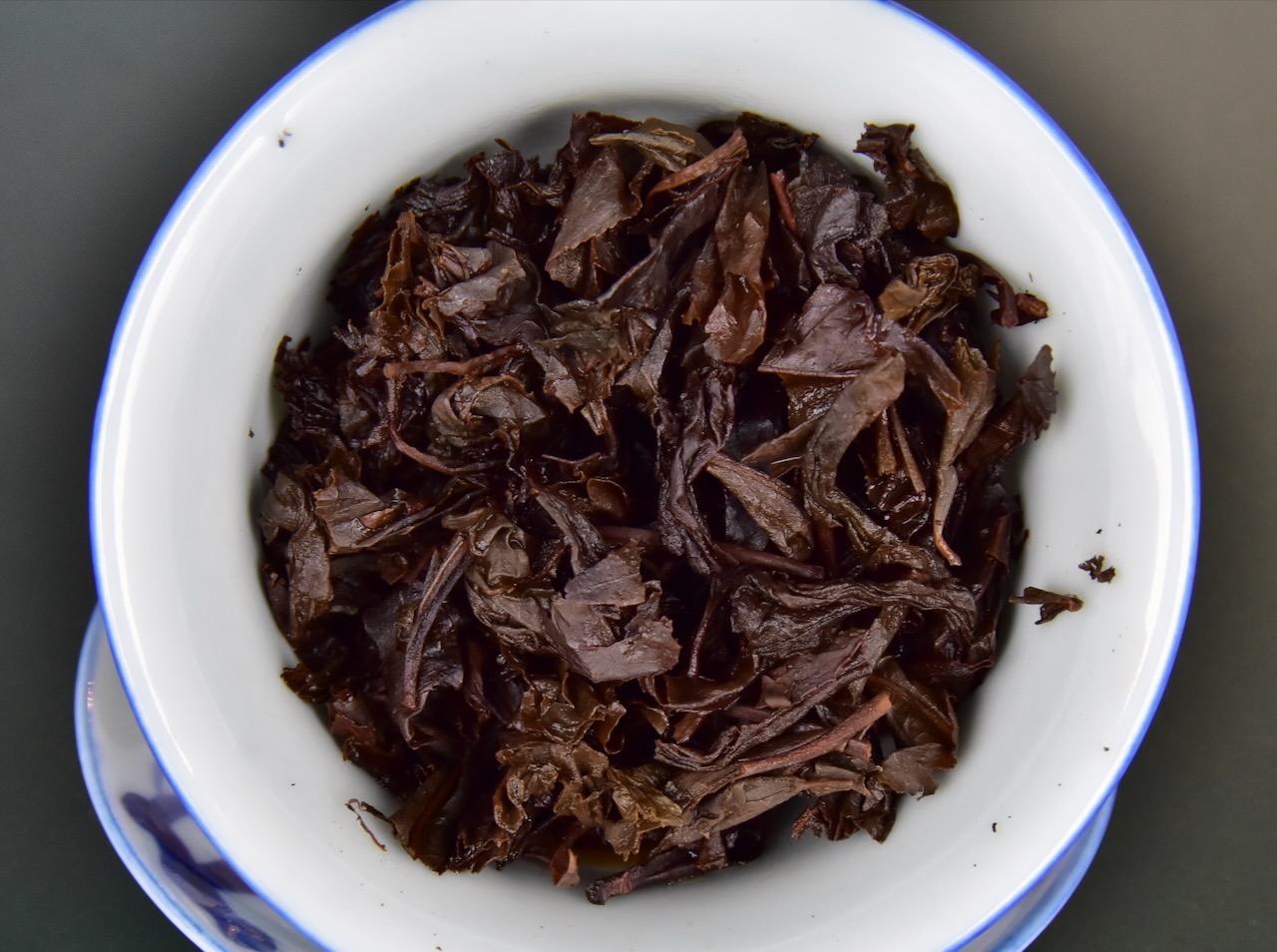
This 2021 QLC combines Xiangyaxi materials with hupi processing. Arguably the top of the line as far as Yongtaifu QLCs are concerned. Despite being only four years old I find the tea enjoyable already now.
An interseting comparison to the 2013 “Hupi Cunjin” Shengjian with the roast on the latter having had eight more years to settle.
Note: This tea may contain golden flowers (Jinhua/金花), a perfectly natural occurrence in certain heicha teas. Their development depends on factors like microbial activity, storage conditions, and time. However, individuals with Celiac Disease or severe gluten allergies should exercise caution, as we cannot guarantee that no wheat-based materials were involved at any stage of production.